



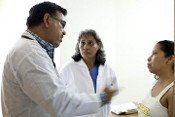

Uganda: Delivering Analgesia in Rural Africa: Opioid Availability and Nurse Prescribing
English
Journal of Pain and Symptom Management
33
5
2007
5
Hospice Africa Uganda introduced palliative medicine to Uganda in 1993 with enough funds to support a team of three clinicians for three months. Training in the medical and nursing schools was introduced in 1994. Since then, Uganda has achieved the three essential components of an effective public health strategy. It has also been the first country to have palliative care described as an essential clinical service and to change the law to allow nurses and clinical officers who complete special training in palliative medicine at Hospice Uganda to prescribe morphine. Palliative care is spreading throughout the districts of Uganda, ensuring that morphine will be available to everyone who needs it. [adapted from publisher’s description]
Subject
Geographic Focus
Resource Type
- 2520 reads